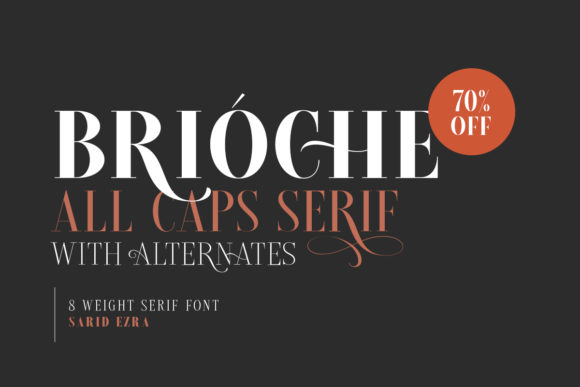
Margin Font for Creative Projects
There’s something about the way Margin flows across a page that makes me pause and smile. I was working on a batch of candle labels when I first tried it out, and the way it curled at the ends felt like a warm welcome to any handmade product. Margin isn’t just a font—it’s a style statement, a visual whisper that adds character to every project I create.
Margin for Candle Labels and Seasonal Tags
Margin is a serif font that feels both classic and modern, making it perfect for anything from rustic candle labels to holiday tags. When I used it on a set of winter-themed gift tags, the soft swashes and elegant curves gave each label a personal touch that made them feel handcrafted, even when printed in bulk. It works well with both bold and subtle color schemes, and its readability ensures that even small text stays legible on paper or fabric.
For handmade sellers, Margin offers a way to elevate simple items without overcomplicating the design. Whether it's a vintage-style greeting card or a farmhouse sign, this font adds a layer of sophistication that speaks to customers who value thoughtful details.
Margin for Greeting Cards and Wedding Invitations
I remember the first time I designed a wedding invitation using Margin. The font’s refined structure paired beautifully with a simple background, giving the design a timeless feel. It’s ideal for formal events, but also works well for more casual occasions, like birthday cards or thank-you notes. Its versatility means it can be adjusted for different sizes and styles, making it a go-to choice for any stationery project.
When creating printable wall art or digital templates, Margin helps maintain a cohesive aesthetic. It’s especially useful for headers, titles, and decorative elements that need to stand out without overwhelming the rest of the design.
Margin for Boutique Packaging and Shop Branding
As a small shop owner, I know how important it is for packaging to reflect the brand’s personality. Margin has become a staple in my design process, whether I’m printing custom product tags or designing a new line of mugs. Its clean lines and graceful flourishes give each item a polished look that feels premium, even when the products are simple.
Using Margin on packaging not only enhances visual appeal but also reinforces brand identity. Customers begin to recognize the font as part of the shop’s style, which builds trust and loyalty over time. It’s a subtle but powerful tool for creating a consistent and memorable shopping experience.
Margin for Digital Printables and Social Media Graphics
When I started offering printable wall art, I knew I needed a font that could hold its own in digital formats. Margin proved to be an excellent choice—its detailed letterforms look sharp on screen and print well on paper. I often pair it with a clean sans serif font for contrast, which helps balance the design while keeping the focus on the main message.
On social media, Margin adds a touch of elegance to graphics and promotional posts. It works well for headlines, captions, and even logo designs. The font’s adaptability makes it a valuable asset for anyone looking to create professional-looking content without spending hours on design tweaks.
Margin for Handmade Stickers and Product Tags
One of my favorite uses for Margin is on handmade stickers. Whether it’s a tiny label for a soap bar or a sticker for a planner page, the font’s clarity and charm make it easy to read and visually appealing. I’ve found that it works best when kept to short phrases or single words, where its ornate details can shine without becoming too busy.
For product tags, Margin adds a sense of care and craftsmanship. Even on small pieces of paper, it retains its elegance, making each tag feel like a meaningful addition to the product. This is especially helpful for shops that want to maintain a high-quality image while keeping costs low.
Margin for Tote Bags and Apparel Designs
Printing on fabric requires a font that can handle different textures and sizes. Margin has proven to be reliable in these situations, whether I’m adding a quote to a tote bag or a name to a shirt. Its weight and spacing allow it to scale well, ensuring that the text remains clear and readable regardless of the surface.
Pairing Margin with a simpler font, like a basic serif or sans serif, can help prevent the design from feeling too cluttered. This approach works particularly well for apparel, where the font needs to be both stylish and functional.
Margin for Holiday and Seasonal Crafts
During the holidays, I love using Margin to create seasonal signs, tags, and decorations. Its classic look gives a warm, nostalgic feel that fits perfectly with handmade gifts and festive displays. Whether it’s a “Merry Christmas” banner or a “Happy Birthday” sign, the font adds a touch of refinement that elevates the overall look.
It’s also great for digital downloads, like printable holiday cards or ornament templates. The font’s readability and style make it a popular choice among crafters who want to add a personal touch to their projects.
Margin for Planner Pages and Organizational Tools
For those who use planners or organize their daily tasks, Margin can be a useful addition to design elements like headers, bullet points, and title pages. Its structured yet flowing style makes it ideal for creating visually appealing layouts that are also easy to read.
When designing printable templates, I often use Margin for section titles and key information. It helps keep the design organized while maintaining a creative edge that keeps the user engaged.