Daisy Font: Elegant Script for Editorial Design
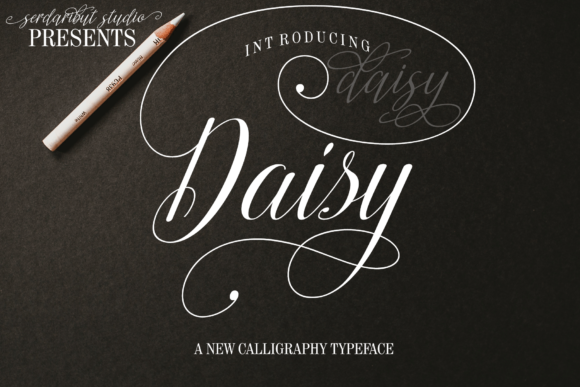
Choosing the right font for a blog header can feel like selecting the perfect accessory for a special occasion. When I was redesigning a lifestyle blog’s masthead, I found myself drawn to Daisy—a script handwritten font that feels both refined and approachable. Its flowing lines and soft curves brought a sense of warmth and personality to the design, making it ideal for content that values style without sacrificing clarity.
Daisy for Wedding Invitations and Elegant Branding
Daisy is a premium font that shines in branding projects where a personal touch matters. For a wedding guide I was designing, the font added an air of sophistication to cover pages, section headers, and pull quotes. Its PUA encoding allows easy access to all glyphs and swashes, which is especially useful when creating custom logos or hand-lettered elements. The font’s calligraphic influences make it a strong choice for invitations, stationery, and other elegant materials where visual storytelling is key.
As a script handwritten font, Daisy maintains a balance between formality and fluidity. It works well for brand identities that want to convey grace and charm, whether in print or digital formats. Its versatility extends beyond weddings—think of it for a boutique coffee shop’s logo, a luxury spa’s website header, or a curated art exhibit invitation.
Using Daisy in Digital Magazine Layouts
In a recent digital magazine project, Daisy became the go-to font for article titles and feature headlines. Its rhythm and movement gave each piece a unique editorial mood, helping to differentiate sections within the layout. When paired with a clean serif font for body copy, the contrast created a clear visual hierarchy, guiding readers through the content with ease.
The font’s readability on screen is impressive, especially at larger sizes. On mobile devices, its curves remain legible without appearing too ornate. For print materials, Daisy adds a tactile quality that enhances the reading experience, making it a favorite for magazines, zines, and small-batch publications.
Daisy for Recipe Ebooks and Cooking Guides
When I was working on a recipe ebook, Daisy proved to be an excellent choice for chapter openers and title pages. Its flowing nature mirrored the natural flow of cooking instructions, adding a sense of elegance to the design. The font’s swash options allowed for creative flourishes that elevated the overall aesthetic without overwhelming the reader.
For a cookbook, Daisy can serve as a decorative element that complements the content rather than distracts from it. It’s best used sparingly—perhaps for headings, subheadings, or standout phrases—while more structured fonts handle the bulk of the text. This ensures that the font supports the narrative without hindering readability.
Its PUA encoding also makes it easier to access special characters and ligatures, which can be useful when formatting recipes with symbols or non-English ingredients. Whether you’re designing a printable cooking guide or a digital cookbook, Daisy offers a level of customization that enhances the user experience.
Daisy for Coaching Workbooks and Printable Planners
In a coaching workbook I designed, Daisy added a personal and motivational tone to section headers and key takeaways. Its soft, handwritten appearance made the content feel more intimate and engaging, which is essential for self-help and wellness materials. The font’s flexibility allowed me to adjust spacing and sizing to fit different layouts without losing its character.
For printable planners, Daisy can be used to highlight important dates, goals, or reminders. Its elegance pairs well with minimalist designs, offering a touch of refinement without being too busy. When paired with a sans serif font for bullet points or captions, it creates a balanced and professional look that appeals to a wide audience.
It’s worth noting that Daisy may not be the best choice for long blocks of text. Its expressive nature makes it better suited for display purposes rather than body copy. However, when used thoughtfully, it can enhance the visual appeal of workbooks, journals, and other interactive content.
Pairing Daisy with Other Fonts for Editorial Balance
One of the strengths of Daisy is how well it pairs with other fonts. In a recent newsletter design, I used it for the header and pull quotes while pairing it with a modern sans serif for the body text. This combination created a clean, professional look that maintained the font’s elegance without compromising readability.
For a more traditional feel, pairing Daisy with a serif font like Georgia or Baskerville can add depth and contrast. This is particularly effective in editorial layouts where a mix of styles helps guide the reader’s eye through the content. When using Daisy in web design, ensure that the font is properly licensed and that fallback fonts are included for broader compatibility.
Before finalizing any project, it’s always wise to check the font’s licensing terms, file formats, and multilingual support. These details can make a big difference when using Daisy in commercial or client-facing projects.
Daisy for Course PDFs and Digital Learning Materials
When I was developing a course PDF for an online writing workshop, Daisy became the perfect font for section titles and instructional headers. Its flowing style added a sense of creativity and inspiration, aligning with the course’s theme. The font’s readability at smaller sizes made it suitable for headings without appearing too delicate.
For digital learning materials, Daisy can be used to break up dense content and add visual interest. It works well for lesson titles, key concepts, or motivational quotes that encourage engagement. When combined with a simple, clean font for explanations and instructions, it helps maintain a professional yet inviting tone.
Whether you're creating a downloadable worksheet, a printable checklist, or an interactive course, Daisy offers a versatile and stylish option that enhances the overall design. Its ability to blend elegance with functionality makes it a valuable addition to any designer’s toolkit.